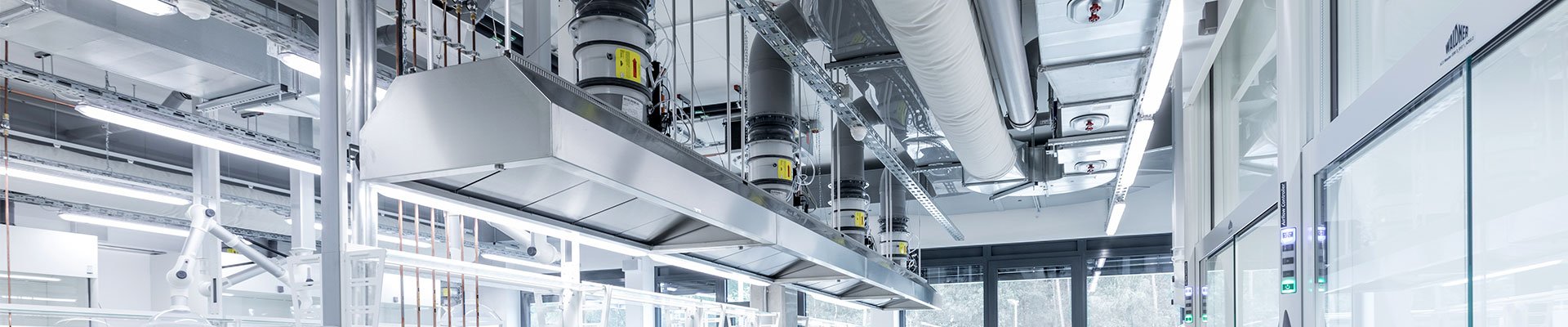
Room Air Control
Lab Space Solutions

We offer integrated room air control solutions for laboratory environments that enable safe, reliable, and energy-efficient operation. Our systems regulate supply and exhaust airflows based on real demand and operating modes, ensuring continuous compliance with all relevant standards and safety requirements. Building on decades of experience in laboratory environments, our LabSystems solutions cover the complete scope from hardware control supply to project engineering and professional commissioning services. The WALDNER Airflow Controller AC4 is one example of a control module used within such systems to enable precise and demand-led room air control.
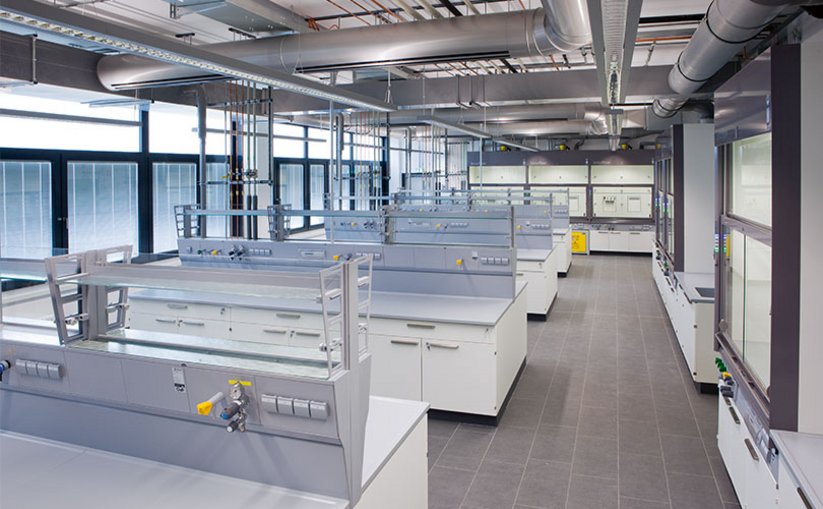
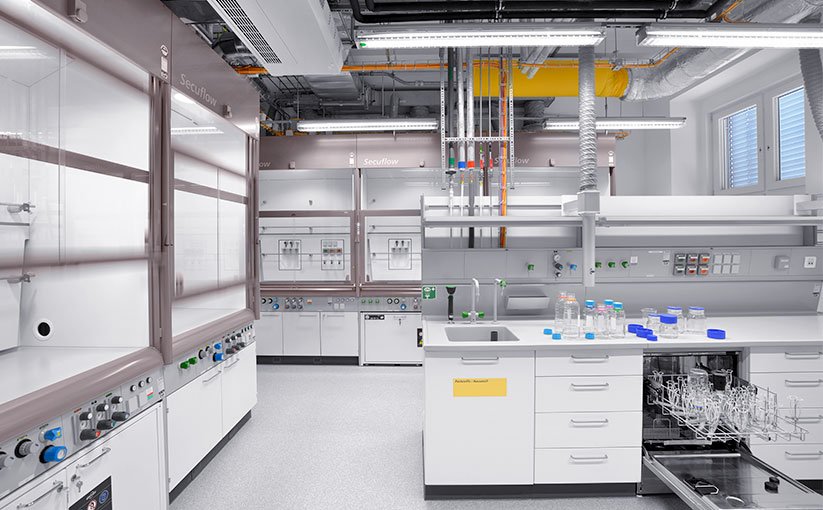
Seamless integration with fume cupboards and ventilation systems enables complete room air.
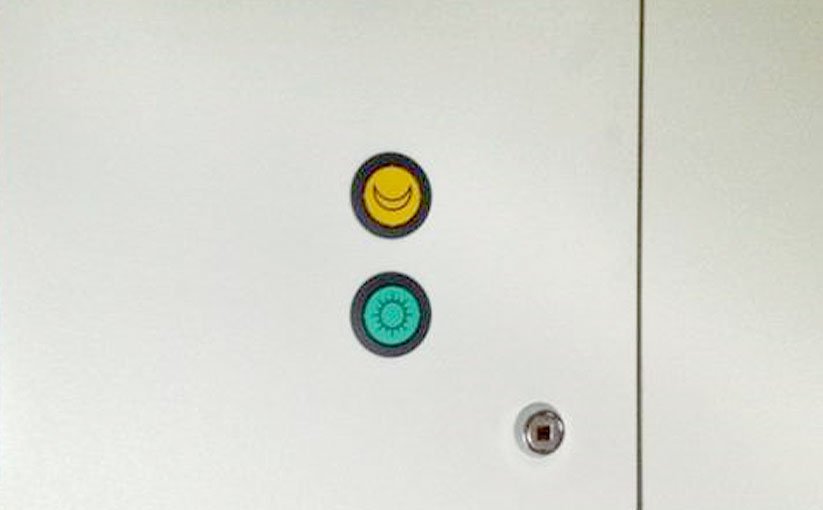
The room air exchange is regulated to a minimum value at night.
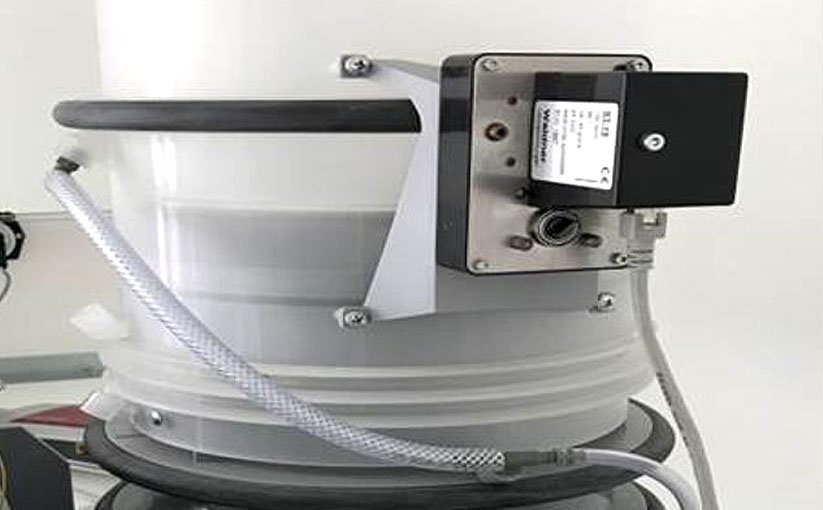
The air flow damper needs to regulate quickly and precisely for a fume hood to guarantee its protective pollution retention objectives. This guarantees that the required extract air volume flow is ensured when the sash is opened.
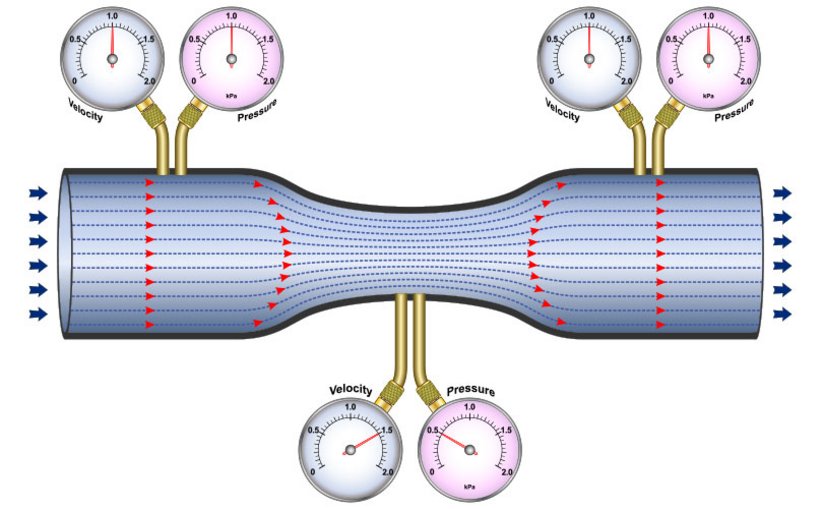
The sound pressure level of ventilation systems must be kept below 52 dB(A) in accordance with DIN 1946 Part 7. To minimise the impact of the extract air volume control on the sound emissions, Waldner uses flow-optimised volume flow measurements based on the Venturi principle.

BACnet, which complies with the ASHRAE 135 and ISO 16484-5 standards, has established itself as a standard for communication between control components in laboratories and the building management system (BMS).
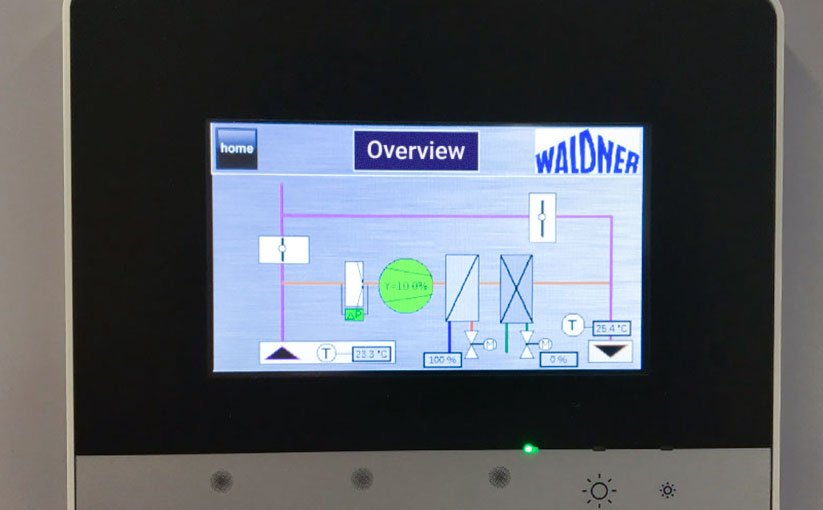
From the simple stand-alone solution using air management with all the required air flow dampers to comprehensive laboratory control with temperature (heating/cooling), light and shading.


